
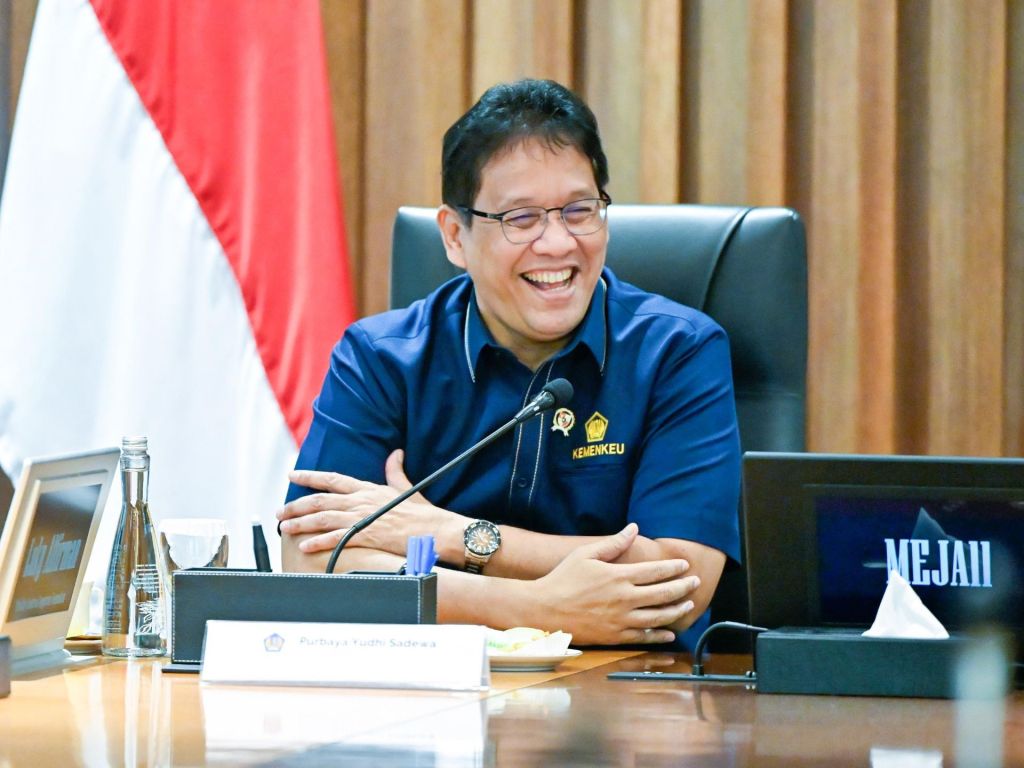
Picture by Sehat Negeriku / Flickr
As mentioned in a recent interview with Bloomberg Technoz, one phrase that sums up newly appointed Finance Minister Purbaya Yudhi Sadewa’s fiscal principle is:
“Efficiency baby, efficiency.”
Purbaya took over a stagnant Indonesian economy, stuck at around 5% annual growth for years. With this, he signaled that Indonesia needs more than incremental tweaks. It needs faster budget executions, sharper investment flows, and a stronger push to make every rupiah count.
About Purbaya & Context
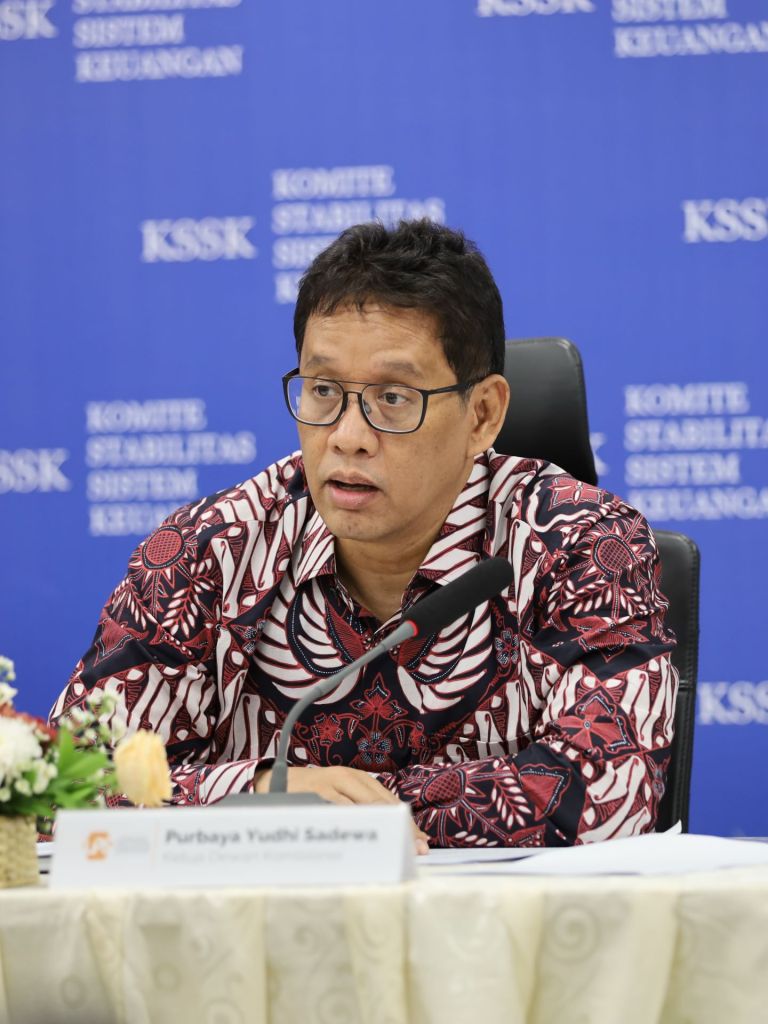
An engineer turned economist, Purbaya began his professional journey as a field engineer, before moving to several key roles at Danareksa, a state-owned enterprise in the financial sector. His most recent position before joining the cabinet was as Chairman of the Board of Commissioners at Lembaga Penjamin Simpanan (LPS), Indonesia’s Deposit Insurance Corporation.
Appointed on 8 September 2025, Purbaya replaced Sri Mulyani Indrawati, one of Indonesia’s longest-serving and most respected finance ministers. His appointment initially shocked the markets with the IDX Composite falling by several points following the announcement of Sri Mulyani’s departure and Purbaya’s entrance.
Despite the rough start, Purbaya remained unmoved and optimistic. With his “cowboy-style” rhetoric, he made it clear that Indonesia’s fiscal engine would run faster and leaner under his watch.
Until recently, that confidence seems to be paying off. Under his early months of leadership, the Ministry of Finance was ranked first among ministries and minister-level offices, earning 17.5% of public approval in a recent survey evaluating ministerial performance during President Prabowo’s first year in office.
His Road Map
At its core, Purbaya’s plan is simply described through one word: efficiency. But behind that word lies a series of structured, measurable priorities designed to make the government work smarter, not harder.
Purbaya wants to tackle one of Indonesia’s oldest problems, which lies in slow budget absorption. Year after year, large portions of the national and regional budgets remain unspent until the final quarter, often rushed in a last-minute spending spree that limits impact and accountability. Public funds that should have fueled infrastructure, health, and education end up sitting idle.
Seeing this clear sign of inefficiency, Purbaya wants ministries and local governments be budget optimizers that ensures that every rupiah released quickly reaches projects that generate real economic activity. Through this, he wants to accelerate budget disbursement in the first half of the fiscal year so that infrastructure and social programs can start earlier and multiply their effects through job creation and demand growth.
To make this happen, the Ministry of Finance is reportedly preparing new coordination mechanisms between central and regional governments, combined with stricter monitoring of project readiness and fund deployment. The goal now is not merely to spend faster, but to spend with precision that ensures every project contributes to Indonesia’s broader productivity goals.
Another major component of his roadmap lies in activating idle government funds. For years, trillions of rupiah have been parked across various government accounts. Under Purbaya’s directive, these cash balances will be shifted into commercial banks, encouraging credit expansion and liquidity growth in the financial system. The idea is simply to put dormant money to work.
This injection of liquidity could create a ripple effect, boosting small and medium-sized enterprises (SMEs), supporting investment in local manufacturing, and providing breathing space for businesses that have faced tightening credit in recent years. If executed well, it could help re-energize Indonesia’s post-pandemic economic base without ballooning fiscal risks.
Finally, Purbaya’s message is not confined to domestic audiences. His active engagement with the investment community, through interviews and appearances in business media, highlights an effort to restore investor confidence after a period of uncertainty. Market players initially reacted with caution to his appointment, but his consistent messaging focused on fiscal stability, efficiency, and pro-growth measures has started to turn that sentiment around.
By showing that his ministry remains committed to transparent budgeting, predictable fiscal policies, and coordination with Bank Indonesia, Purbaya is signaling that Indonesia’s economic direction remains steady, even under new leadership.
Why It Matters
Purbaya’s approach marks a clear shift in Indonesia’s economic mindset. It now focuses on real results, not just big spending or grand promises.
This mindset is crucial as Indonesia enters a new political and economic chapter under President Prabowo Subianto’s administration. Instead of relying on large fiscal stimuli or large projects, Purbaya is betting on execution quality, fiscal coordination, and trust-building to drive growth.
If his roadmap works, Indonesia could finally move past its long-standing 5% growth ceiling and begin charting a path toward Prabowo’s ambitious 8% target. It is definitely a bold aspiration that would require not only fiscal agility but also bureaucratic reform, investment confidence, and consistent delivery across government layers.

Leave a comment